
A Quiet Island in the Blue
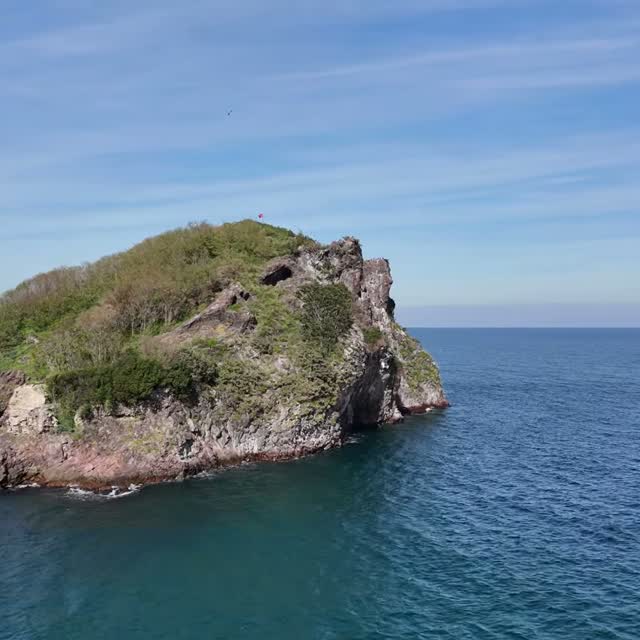
A hundred metres off the coast of Perşembe, in Ordu, a single rock rises out of the Black Sea. Hoynat Island is small, steep and has never been inhabited — and from the air it is one of the most striking landmarks on the whole coastline.
This film is a slow approach to that rock. No narration, no rush: just the island, the water around it and the green hills of the mainland behind. Here is what we learned about it along the way.
/ In this story:
At a glance
- Location: Ramazan village, Perşembe district, Ordu
- Distance from shore: About 100 metres
- Size: Roughly 700 square metres
- Residents: Seabirds only: cormorants and gulls
- Status: Registered archaeological site since 2004; landing is not permitted
A rock a hundred metres from the road
Hoynat lies within the boundaries of Ramazan village in the Perşembe district, right beside the coastal road between Perşembe and Fatsa. The road tunnel that passes behind it is even named after the island. It is tiny, about 700 square metres, and sits roughly 100 metres from the shore.
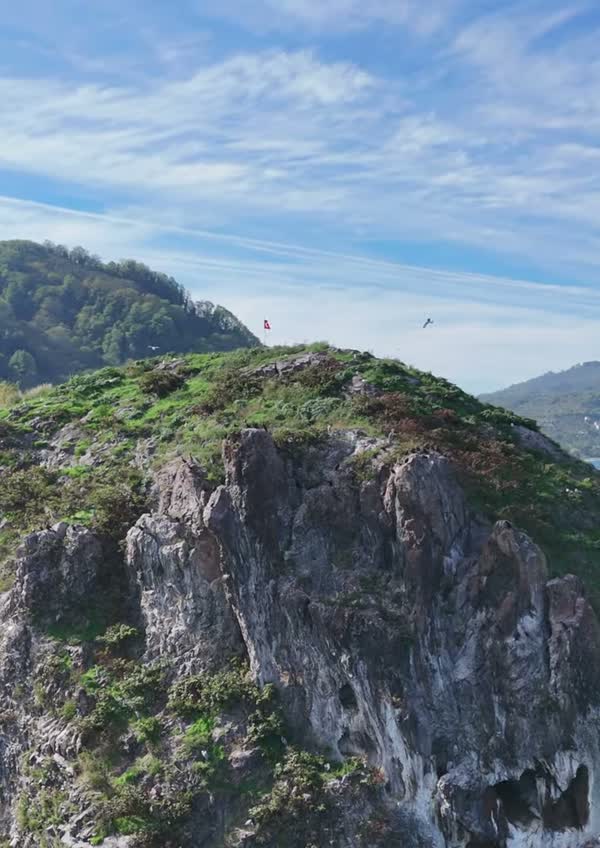
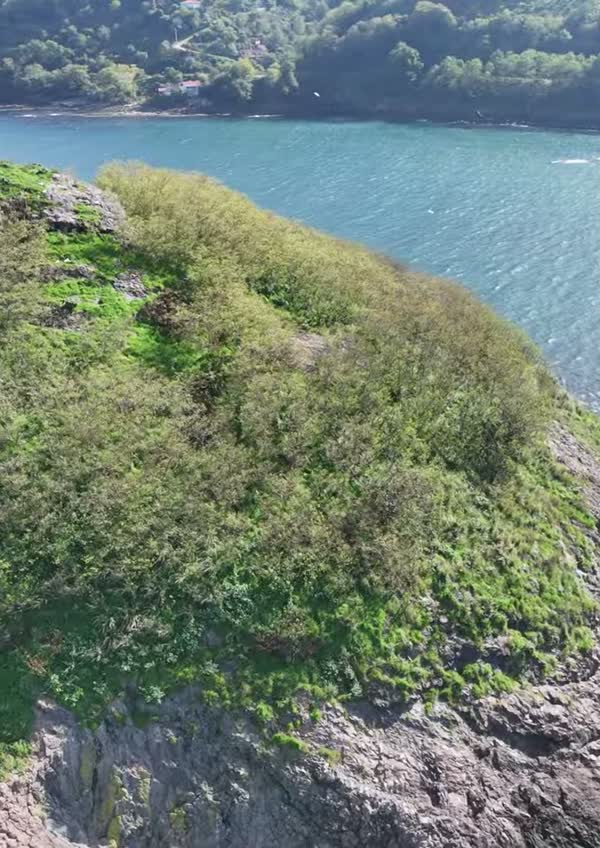
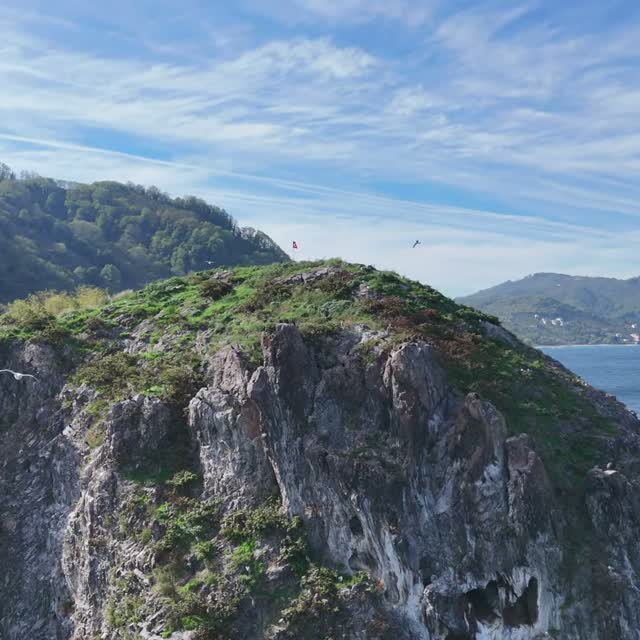
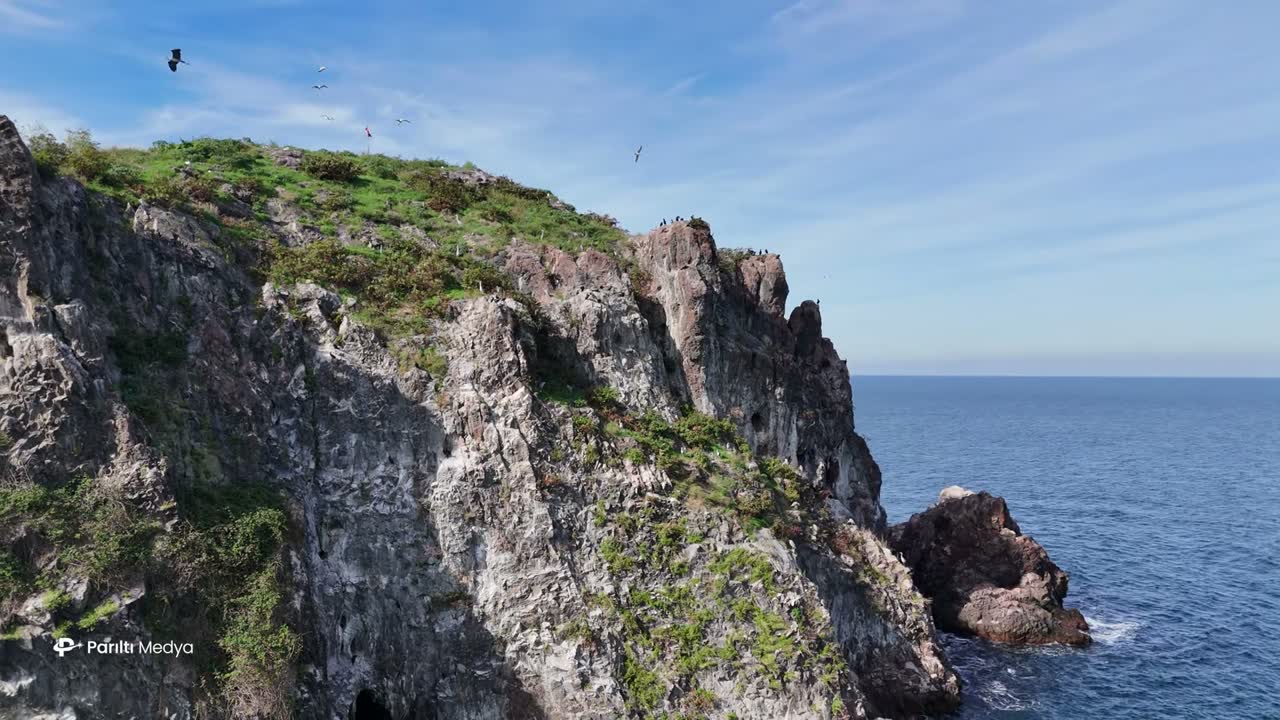
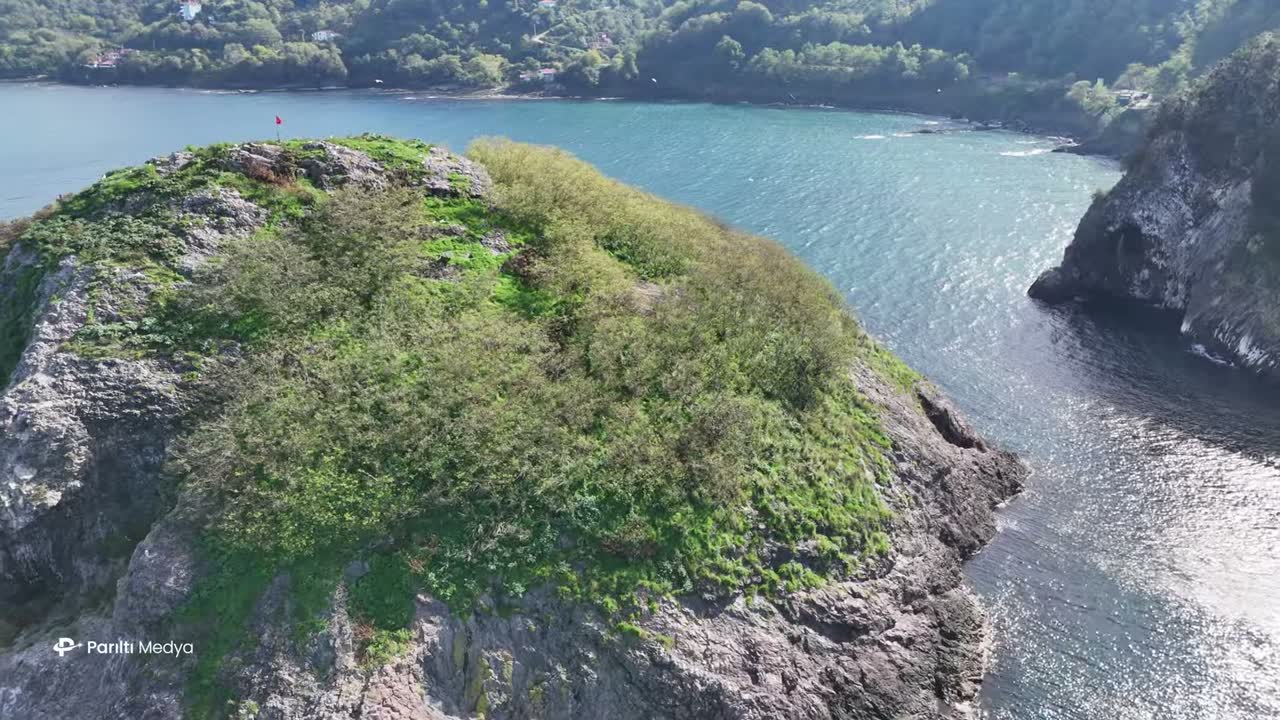
From the roadside it looks like a quiet silhouette. From above, the detail appears: pale layered cliffs on every side, a cap of grass and shrubs on top, a smaller sea stack standing just off its tip, and water that shifts from deep blue to turquoise as it reaches the bay.
The cormorants of Hoynat
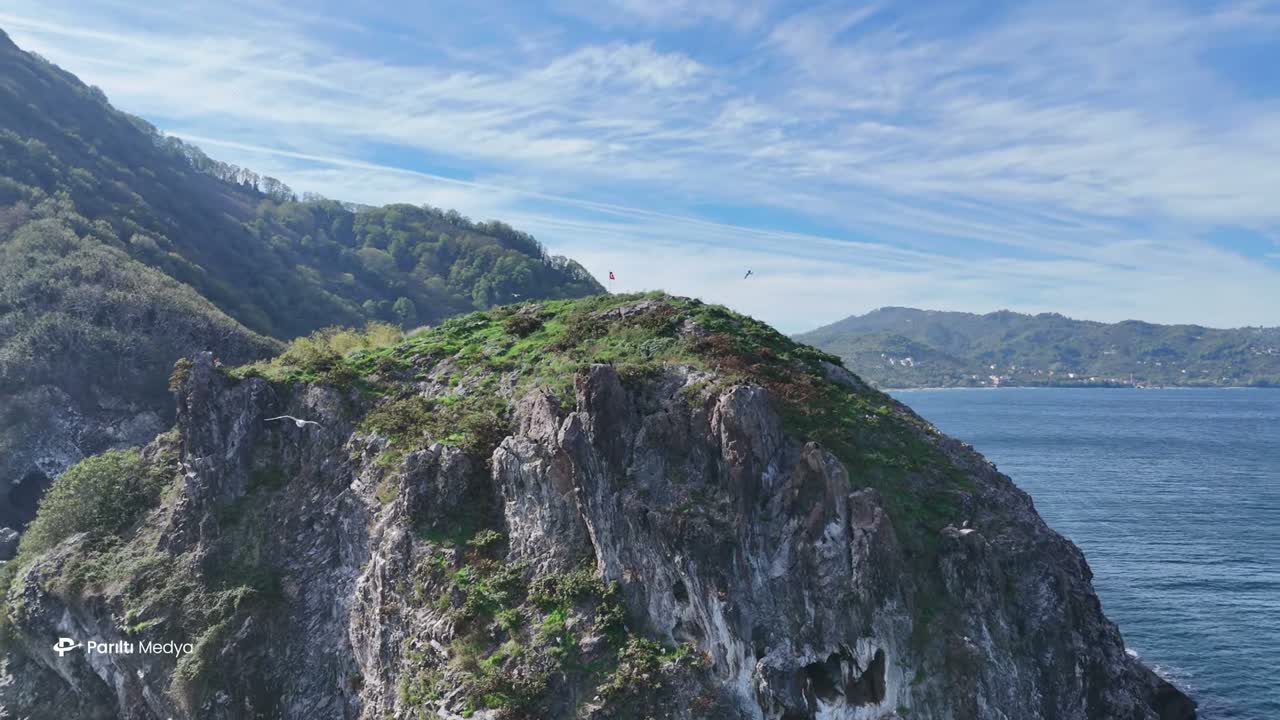
What makes the island special is who lives on it. Hoynat is a breeding colony for crested cormorants, the bird known in English as the European shag, along with a large number of gulls. The provincial culture directorate describes it as the only place in Türkiye where crested cormorants breed, and local reports put the colony at around 90 pairs.
The birds nest on the ledges and in the cracks of the cliffs, where nothing can reach them from the land. Watch the film closely and you will see them: dark shapes wheeling above the rock, and white streaks on the stone where generations of birds have perched.
From the shore it is a silhouette. From the air it is a whole world of rock, grass and wings.
/ Parilti Media
Walls on an island nobody lived on
Hoynat has never been inhabited, but people have used it. Remains of walls, a small fortress and a cistern survive on the rock, and it is thought that sailors in ancient times used the island as a storehouse and a shelter. In 2004 the regional heritage board registered it as a second-degree archaeological site.
So the island is protected twice over: once for what people left there long ago, and once for the birds that took it back.
Look, but do not land
Because of the colony, setting foot on Hoynat is not allowed. Visitors watch from the shore instead, and the Ordu Metropolitan Municipality has landscaped a viewing area by the road for exactly that purpose. Bring binoculars in spring and you can follow the nesting season without disturbing anyone.
That is also what makes a drone the right tool here: it shows the island up close without a single footprint on it.
How the film unfolds
The opening shot starts behind a mainland cliff and slides sideways until the island appears against the horizon. From there the camera moves in, travels along the cliffs at their own height, and then climbs over the top and turns back toward the land, revealing the sheltered bay and the forested slopes of the coast behind it.
The light was on our side: a clear sky, thin high cloud and a calm sea. On days like this the Black Sea coast needs very little help from the edit.
If you go
Hoynat is on the same stretch of coast as Cape Jason, so the two make an easy pair for a day trip from Ordu. Morning light falls on the seaward cliffs; in the afternoon the sun moves behind the hills and the bay turns a deep green. Either way, the best seat is the one on the shore.
Sources & further reading
More
films
Into the Heart of Nature
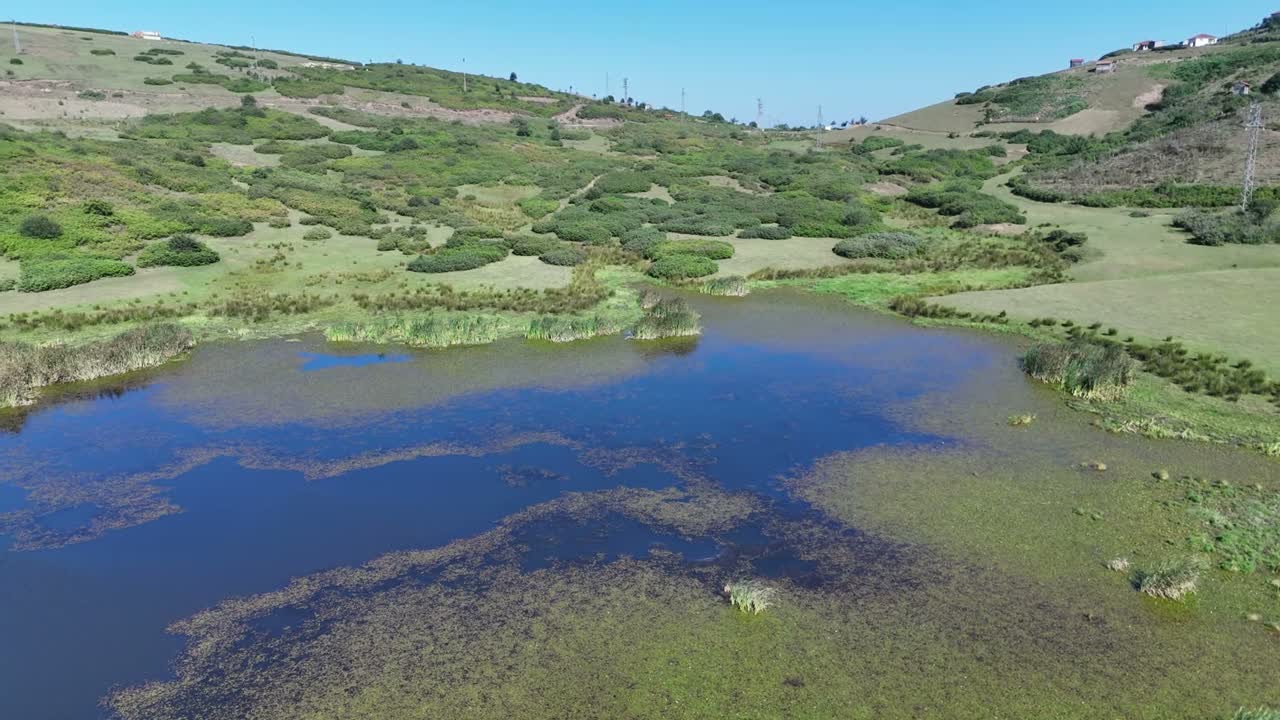
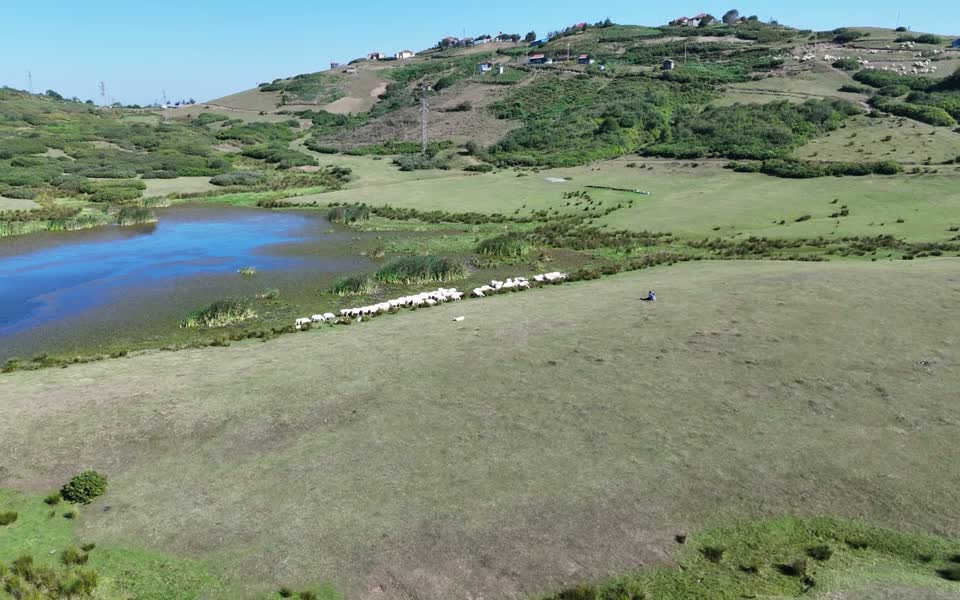
From a highland pond and open pasture down to the cliffs of the Black Sea: two minutes of nature's untold stories, and a short guide to the landscapes behind them.
The Life of a Log: From Tree Cutting to Carpentry
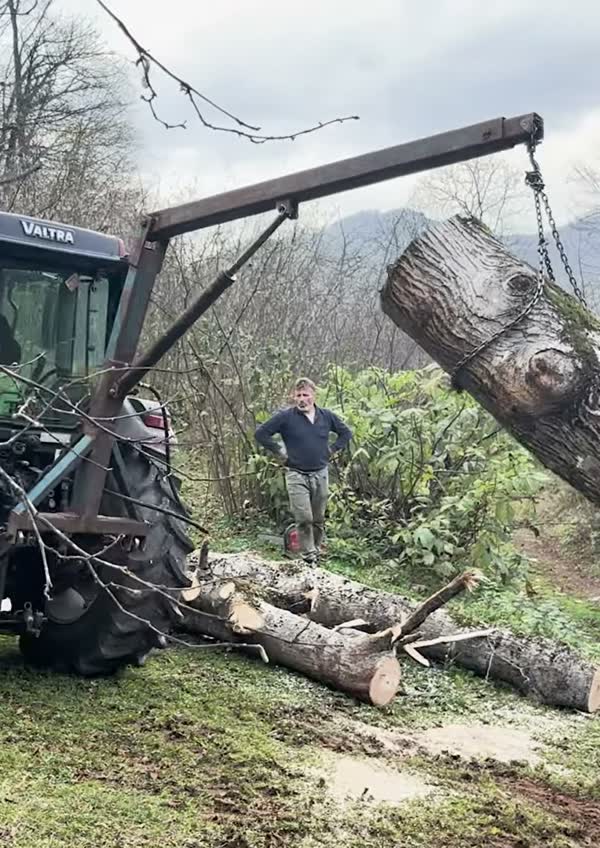
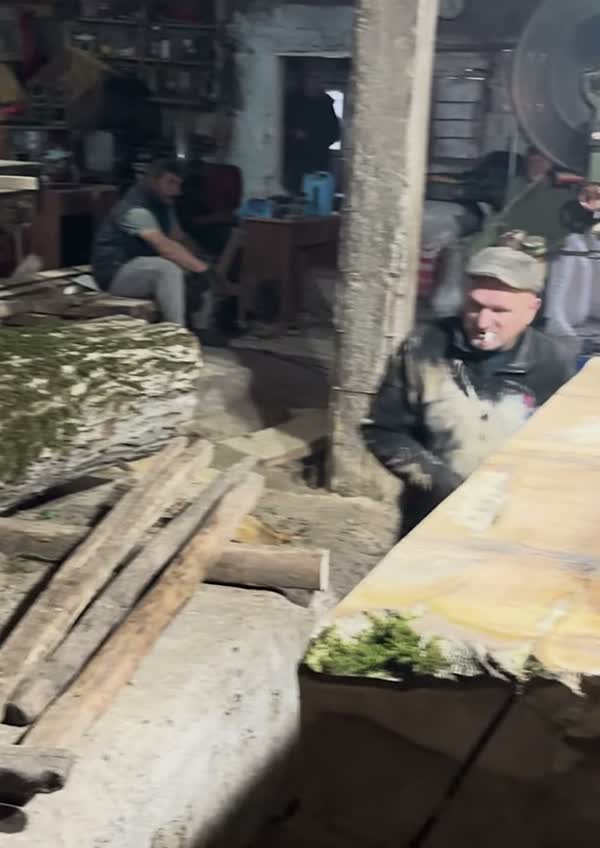
From a hillside tree to boards on the sawmill floor: a two-minute woodworking journey that follows a single log through every pair of hands.
Jason Church (Yason Kilisesi), Ordu
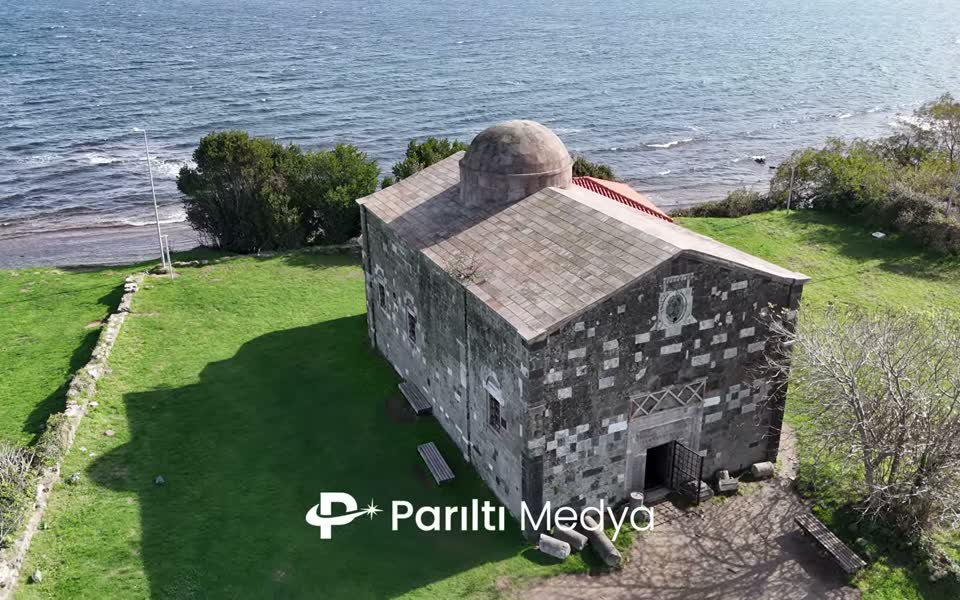
A 19th-century stone church on the cape where Jason and the Argonauts are said to have come ashore. The history, the myth and the view from above.